The most violent storm
and the days after the death of the printers' son

The South-Carolina Gazette of June 7, 1770, dated two days after the death of the printers’ ten-year-old son, was dramatically different from those that came before and after. It was a double issue, eight pages. Type was in two columns instead of three, and the pages after the front were numbered from 102 to 108. The header on page107 gave the date as April 7, 1770, as if the typesetter wanted to go back in time.
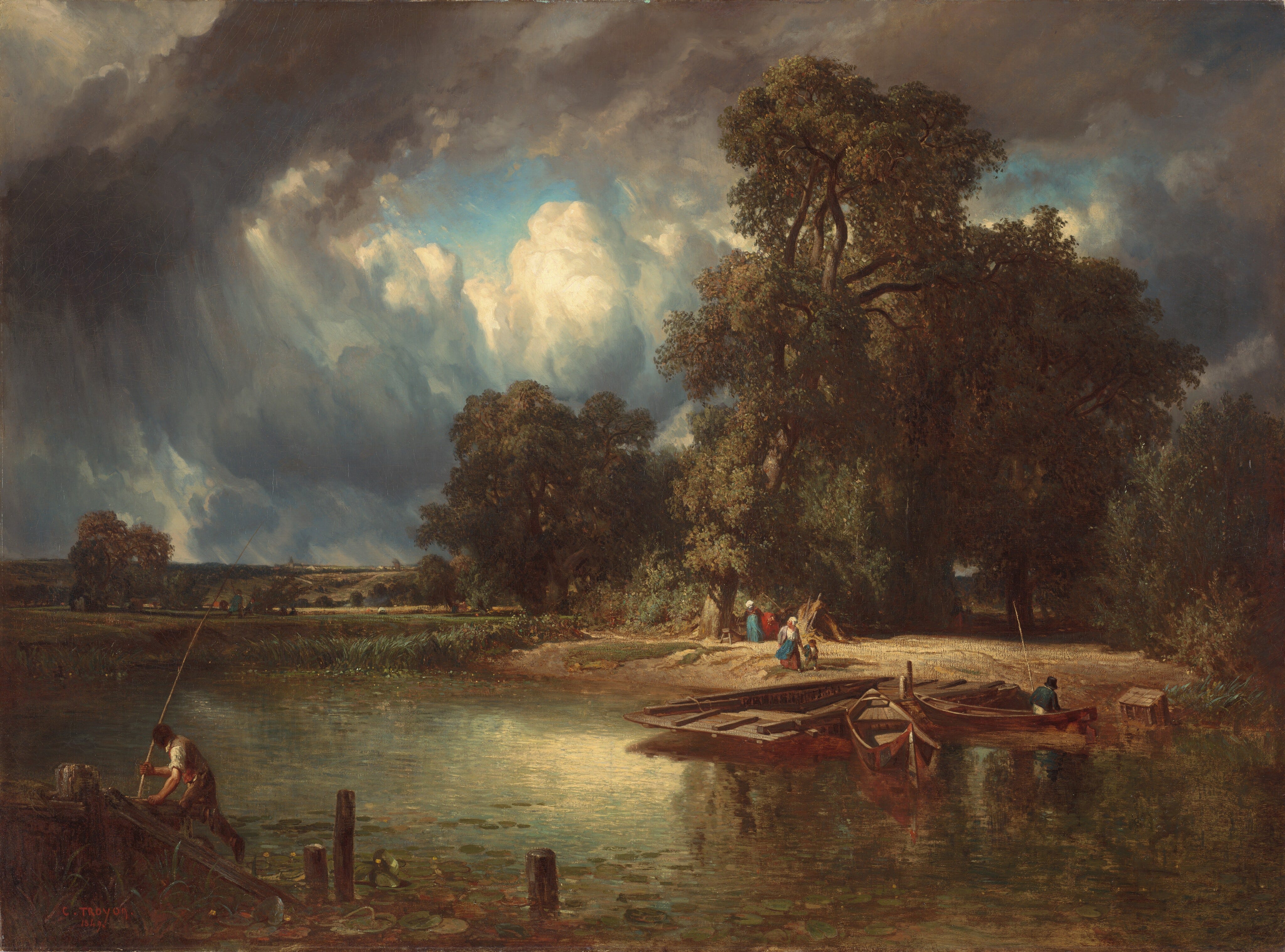
Ads and local notices filled the front page. News from London and Europe filled 102 to 105. The sixth page and part of the seventh described the storm whose greatest fury hit Charleston between two and four that morning. It was “the most violent Storm of Wind and Rain here, that ever was known in this most remarkably calm Season of the Year.” Wharves were trashed, boats “dashed to pieces,” a bridge “wholly destroyed.” People were totally unprepared. “We have Reason to be thankful that no Lives were lost.”
Who in the Timothy Printing Office set those lines of type, thinking of the dead child?
On the top of the second column of page 107 was a letter to “Mr. Timothy, --Sir,” introducing a poem “occasioned by the unexpected Account of your hopeful Son’s Death.” The writer cited “[T]he importance of the Connection” he had with the boy “and my tender Regard for him” as the reason for composing the lines. “If you do not think fit to publish it, [it] shall remain with you as an Instance of my Friendship for you, and my Affection for the deceased Youth.” It was signed “Philom.”, a common pseudonym.
Who set those lines in type? Whose hand picked the block for the wrong month on that page?
The poem followed. Through twelve stanzas of alternating rhyme the poem cried out at the cruelty of Death: “Even Babes descend the dreary Grave/At his relentless stern Command.” Then four addressed Nature, “Why doth she cloud serenest Day/And thus her loveliest Works deform?” Four more redeemed Nature: “Thus the green Foliage must decay/To live again with fresher Hue.”
Finally:
My Muse the Parents thus bespeaks
And bids them learn this sacred Truth:
“The Soul that’s disengaged from Clay
“Thro’ Realms of purest Bliss shall soar,
“On Angel’s Wings shall glide away
“And taste of Joys unknown before.”
Who set those lines in type and never noticed the wrong month at the top of the page? Who ran those sheets through the printer, up to four per minute? Who hung them to dry and collated them? Who delivered them through the wreckage of the storm?
Were subscribers surprised to see the double issue? The pages numbered 102-108?
It’s possible the press broke and an old one was dragged out of a back room and put to work. An experienced compositor could set about 12,000 characters a day, about two and a half pages of a typical Gazette. Maybe the first four pages were set before the boy died. Maybe the page numbers were relics of an old job and the workers were either too rushed or too heart-sick to care.
How long did it take to gather, compose, and print the storm news? Did someone write the account directly on to the composing stick? How many hands were available?
Enslaved workers helped the Timothys in the house and the shop. One was likely a literate and experienced pressman. The printers’ children were trained to journeyman level by the age of ten or twelve, including the girls. Betsey, 24, and Frances Claudia, 18, were married—both probably lived nearby and rushed to be with their parents and lend a hand. The printer of the rival paper, seen earlier in this blog as the Villainous Apprentice, may have helped, or lent equipment. The Timothys were well-known in Charleston, and the house and shop probably filled with mourners at the boy’s death, the day before the storm hit.
The Timothys and their helpers, enslaved and free, scrambled to produce that double issue. They got the newspaper out on time. Then they grieved.
Two weeks later the next South-Carolina Gazette came out, looking like its old self, with three columns of type on each of four pages.
The poem for the child, Peter Timothy, who died on June 5, 1770, is not available anywhere except in the June 7, 1770 issue of the South-Carolina Gazette, printed by his father and mother and who knows how many other hands. It follows below.
Let not the Muse indignant frown
On these Elegiac humble Lays;
When DEATH is so triumphant grown,
And steals from Youth its choicest Days:
At whose irrevocable Call,
The Gay, the Young, the Rich obey;
The brightest Buds of Genius fall,
And all its Blossoms soon decay :
Nor Youth nor Innocence can save
From his inexorable Hand ;
E’en Babes descend the dreary Grave
At his relentless stern Command.
The Flow’r is nipped e’re it is blown,
The Blossom blast with the Frost;
The Youth is crush’d before he’s grown,
And all his Parent’s Hopes are crost,
Great NATURE (whose mysterious Pow’r
Mixture of Good and Ill has join’d)
Now sends a mild enliv’ning Show’r,
And now a Deluge frights Mankind
Why doth she thus her Pow’r display,
And why thus frowns the rapid Storm?
Why doth she cloud serenest Day,
And thus her loveliest Works deform?
Tho’ o’er our Heads loud Thunders roll,
Fierce Hurricanes and Tempests blow.
Red lightnings flash from Pole to Pole
And trouble Seas tempestuous flow:
Tho’ blazing Streaks of liquid fire,
From Aetna’s flaming womb are hurl’d,
Volcanos, Earthquakes, all conspire,
To strike with Awe a guilty World:
Yet NATURE aims at one grand End.
And ne’er her own Designs withstood,
All Things to gen’ral Order tend,
All lead to universal Good.
Thus the green Foliage must decay,
To live again with fresher Hue;
The fragrant Flow’rs that fade away,
By vernal Warmth their Bloom renew.
And when the Rose forsakes the Cheeks,
When breathless lies the pallid Youth;
My Muse the Parents thus bespeaks
And bids them learn this sacred Truth.
“The Soul that’s disengaged from Clay,
“Thro’ Realms of purest Bliss shall soar,
“On Angel’s Wings shall glide away,
“And taste of Joys unknown before.”
most violent storm indeed!