Conduit of Revolution
The Radical Printer and the power of the press

Peter Timothy, printer of the South-Carolina Gazette, deserves credit for influencing the minds of the people of South Carolina. And without them, the war for independence likely would have failed.
The South-Carolina Gazette was a major node in the network of newspapers that linked the American colonies. It spread the ideas of democracy and civil liberty that prepared the South Carolina to oppose British rule and participate in the Revolutionary War. In the words of one beleaguered governor, the newspaper “poisoned the minds of men here … with principles … propagated from Boston and Rhode Island.”
The Radical Printer explores the life and times of Timothy, who published the weekly South-Carolina Gazette from 1747 to 1775 and helped shape the politics of the colony and the emerging nation. His anti-authoritarian tendencies appeared as soon as he took over the newspaper, when he printed mock letters to troll the governor for making it illegal to do business on the Sabbath. He supported and promoted the Stamp Act protests, and probably participated. He took a major role in the revolutionary government and worked as a spy during the siege of Charleston.
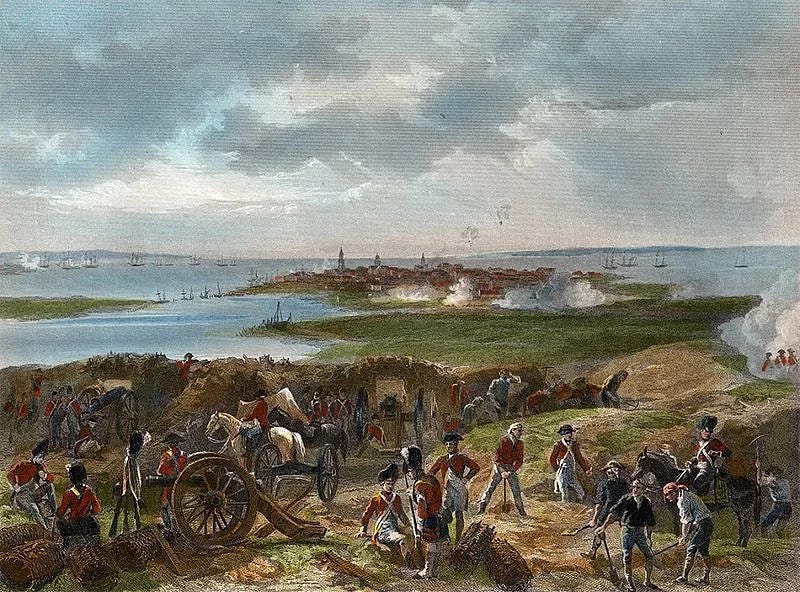
Unlike South Carolina’s wealthy ruling white men, whose surviving letters, journals, and ledgers fill volumes, Timothy left little in the record besides a handful of letters, a spy journal, and forty years of weekly news and commentary. The Radical Printer draws on those pages and letters to tell the story of the Timothys and their world.
The posts begin in January of 1739, when Peter’s name first appeared as printer in the pages of the South-Carolina Gazette. He was thirteen years old.