We will be distressed
In the shadow of the King's flotilla

What a scene before my own Door – behold yonder in Rebellion Road – the Tamar and Scorpion Sloops of War – the Cherokee Armed Ship … behold Fort Johnson ordered to make a defence, which I am Sure will be a destructive or disgraceful one – we have no Men & are at a loss where to hide the Ships – I perceive we will be distressed perhaps extremely distressed … --Henry Laurens, president of the Council of Safety, to his son John, December 6, 1775
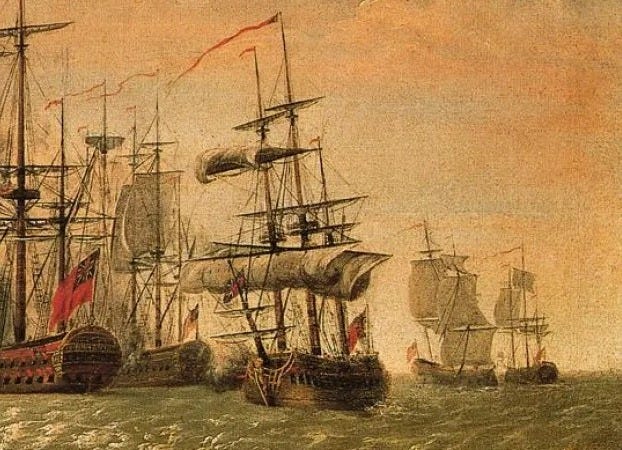
As Secretary of the Council of Safety Peter Timothy had a major administrative role in the new revolutionary government. On December 4, 1775, he prevented a British ship from clearing the harbor likely carrying Loyalists fleeing Charleston. He also denied a permit “for no less than five hundred pounds of fresh beef to be sent on board the Scorpion.”
At the full Council’s meeting that day, a Loyalist militiaman, Mathew Floyd, asked to take a message to William Campbell, the royal governor holding court on the Tamar. The message contained the terms of the cease-fire between Loyalists and revolutionaries in Ninety Six, a good ten-day ride from Charleston. The Council allow him to go, if accompanied by a “proper person … who must be present at the interview and conversation between him and Lord William.” It gave Timothy the job of selecting the “proper person.” He tapped Benjamin Marchant—his son-in-law.
The Council instructed Marchant to tell the governor that he must accompany Floyd at all times or return with Floyd, “… but not return without Floyd, unless ordered and obliged not to.” As it turned out, Marchant had a hard time keeping tabs on his charge.
December 5, Floyd and Marchant boarded the Cherokee and met Campbell and his secretary Alexander Innes. The next day, Marchant gave the Council the following account:
“After saluting my Lord, I delivered the message, then Lord William went down into the cabin and Floyd was sent for; whereupon I immediately desired to speak with his Lordship, who answered ‘presently’ and in a few minutes I was desired to walk down.”
Marchant then repeated the conditions of the meeting. The Council’s minutes provide the dialogue Marchant recounted:
Innes: Who are you?
--I am a private person, entrusted with a message from the Council of Safety.
Innes: Do they intend to deliver up Cunningham?
-- I don’t know.
Innes: Are you only a messenger for them?
-- Yes.
Innes: And do you think my Lord will treat with them?
-- Yes, sir.
“Mr. Innes then addressed himself to Lord Wm Cambell and said ‘then my Lord, there must be no conversation’ and withdrew, calling his Lordship after him. Lord William soon returned and said he must detain me a little, that he was sorry he was obliged to do many things contrary to his inclination—that it was hard not to be supplied with necessaries, and even now Lady William was denied to come down.’”
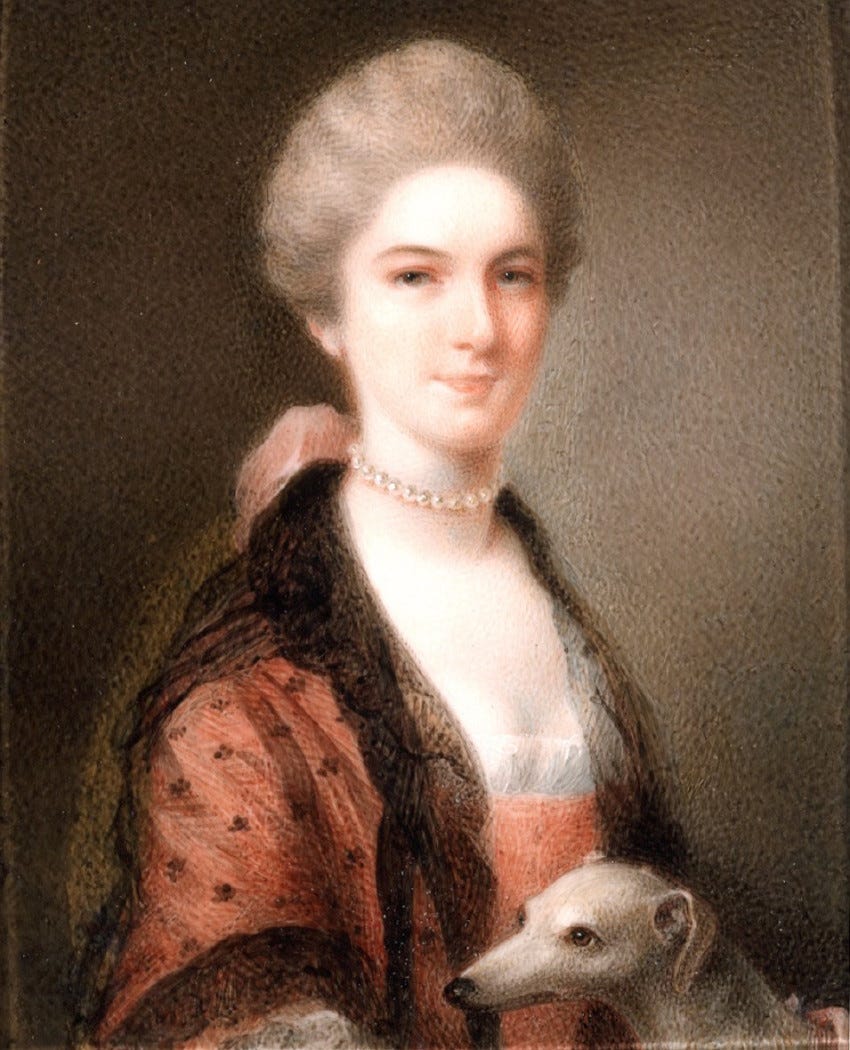
Campbell and Innes then left Marchant and Floyd alone with the ship’s surgeon until “Floyd was sent for by Mr. Innes who was then alone in the cabin.” At about seven o’clock Innes returned without Floyd and told Marchant “my Lord desires you return, and inform the persons who sent you, that as [Floyd] is a messenger from a friend to government, he must detain him until he had determined on a proper answer.”
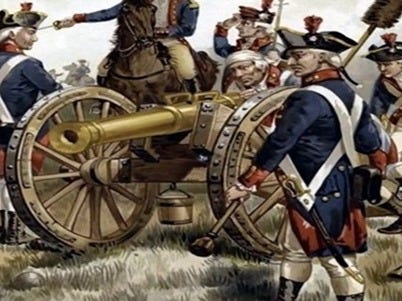
Marchant saw four field cannons brought on board the Cherokee before he left.
The Council of Safety asked Timothy to write letters calling for the arrest of Floyd. To the man in whose care Floyd left his horse: “not to deliver the horse to any said person, and forthwith give notice thereof, either to Mr. President or the Secretary.” To a captain of the militia near the backcountry: “place proper persons at proper places … to apprehend one Mathew Floyd.”
By December 8, Floyd had been arrested and brought before the Council, where he confirmed the substance of Marchant’s report and said Campbell told him to “tell people in the back country to do everything they can for the best advantage; that he did not desire any effusion of blood but whatever they should do would meet with his consent.”
On December 9, Floyd was imprisoned in the common jail, suspected of being a spy “and of other high crimes and misdemeanors against the liberty of the colony.”
Way to go, Patriots!